Safety is of the utmost importance to Moon Lake Electric. We all need to be informed about the possible dangers of electricity because we utilize it every day of our lives. By understanding the basic principles of electrical safety, we can better protect ourselves and our families.
AlWAYS LOOK UP
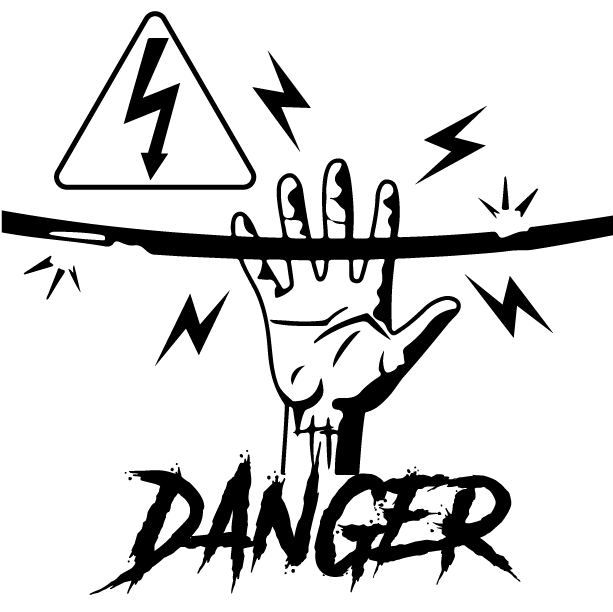
TREAT ALL LINES AS IF THEY ARE ENERGIZED
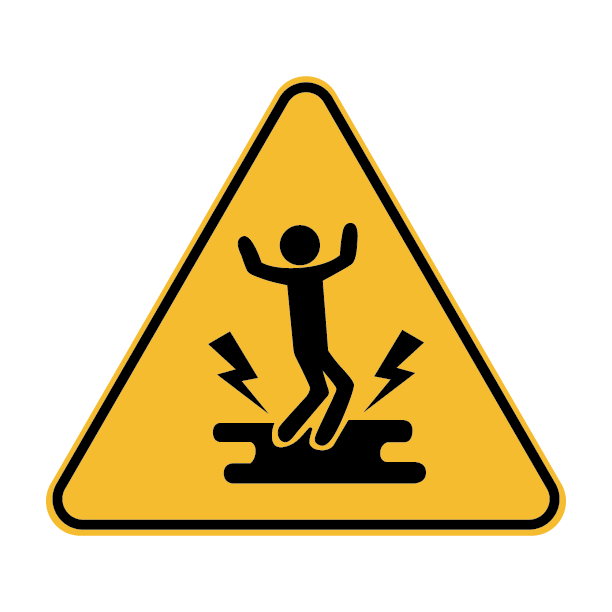
Electricity looks for the quickest path to the ground, and travels through conductors on its journey there. People make good conductors. When electricity travels through the body, it can overload the nervous and cardiovascular systems.
Do not put too many plugs in an outlet. Wires may overheat, destroy insulation, and cause a fire. Make sure appliance and extension cords are not frayed. Replace them! Pull on the plug and not the cord when unplugging something.
STAY AWAY FROM DOWNED POWER LINES
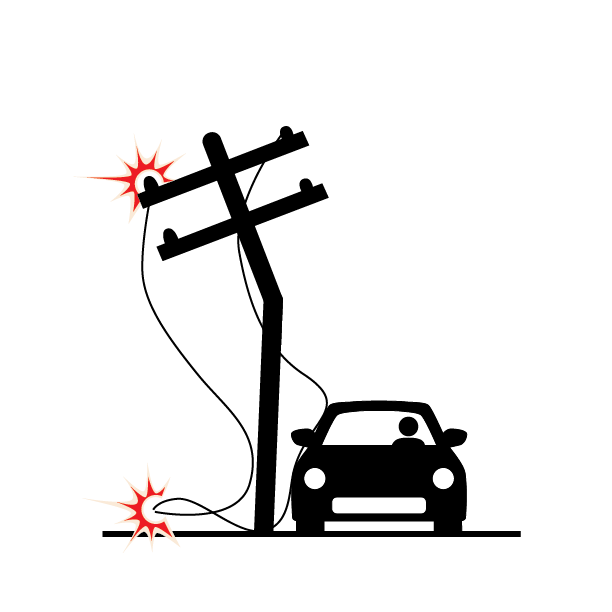
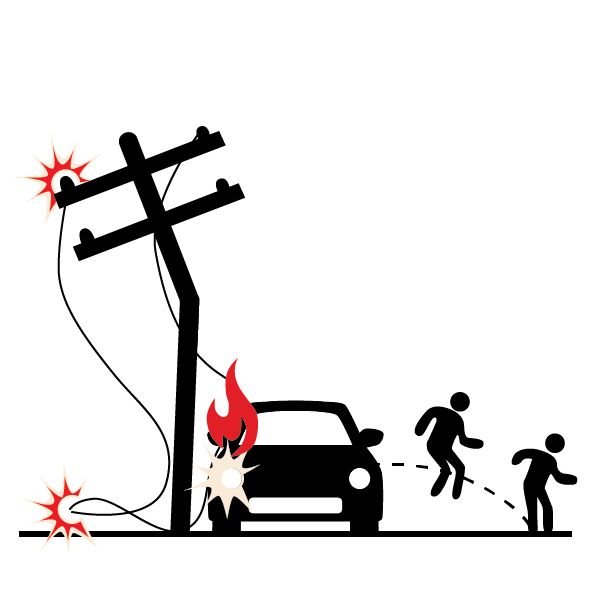
Avoid all downed power lines!! If you see a downed power line call the local power company in the area immediately. If you hit a power line pole or have a power line fall on your vehicle, stay in the vehicle and call the local power company! If you have to leave the vehicle for an emergency reason (vehicle on fire or other life or death situation only) while near downed power lines, jump with both feet at the same time from the vehicle!